Unveiling the Ancient Mystique: Bhutan's Early History and Origins
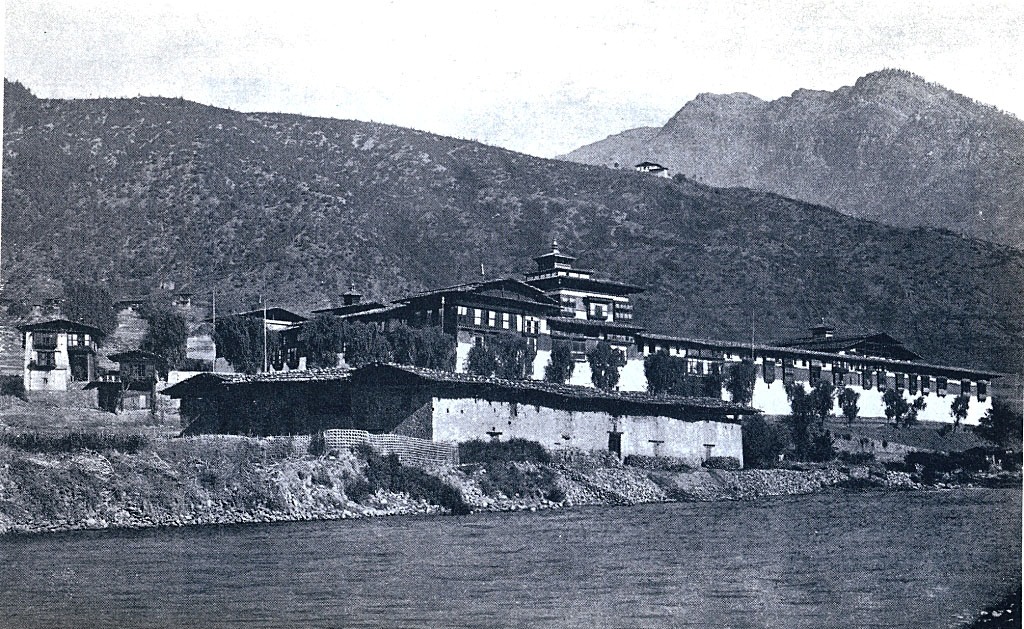

Imagine a time thousands of years ago, long before majestic dzongs graced the valleys and prayer flags danced in the mountain winds. The early inhabitants of Bhutan were nomadic tribes who roamed the rugged terrain, relying on their intimate knowledge of the land for sustenance and survival. These communities, shaped by the harsh yet beautiful environment, laid the groundwork for the diverse cultural tapestry that would eventually flourish in this remote corner of the world. Archaeological discoveries whisper that Bhutan was inhabited as early as 2000 BC! While detailed records from this era are scarce, these findings powerfully suggest that people have called this land home for millennia. These early settlers laid the very first foundations of Bhutan's rich historical narrative.
The Enigmatic State of Lhomon or Monyul

Between 500 BC and AD 600, a state known as Lhomon, or Monyul, may have emerged in the region. This period remains somewhat shrouded in mystery, yet the possibility of an early organized society adds another fascinating layer to Bhutan's ancient past. It hints at the nascent development of social structures and perhaps the very beginnings of governance in this area.
The Arrival of the Dharma: Introduction of Buddhism
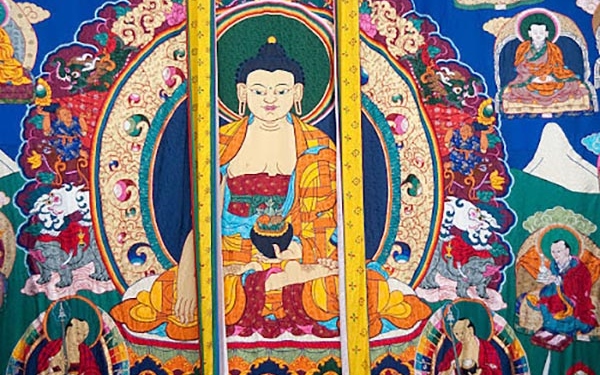
guru-rinpoche-the-legendary-saint-who-spread-buddhism-in-bhutan
A pivotal moment in Bhutan's early history arrived in the 7th century AD: Buddhism. The introduction of Buddhist philosophy and practices profoundly transformed Bhutanese culture, spirituality, and identity. This was more than just a religious transition; it was a profound cultural evolution that permeated every facet of life, from intricate art and distinctive architecture to deeply held social norms and cherished values. Buddhism became the very cornerstone of Bhutanese civilization.
A Land of Independent Fiefdoms

Foundations for the Future
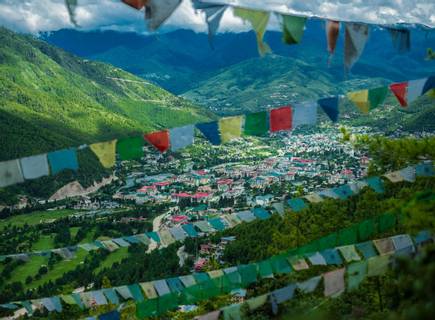
Understanding these early chapters is not just about exploring the past; it's essential for truly appreciating Bhutan's remarkable journey. These ancient origins laid the essential groundwork for the cultural and political developments that followed, most notably the monumental unification in the 17th century. The echoes of these early periods continue to resonate even in modern Bhutan, reminding us of the deep and enduring roots of this extraordinary kingdom.
What aspects of Bhutan's early history intrigue you the most? Share your thoughts in the comments below!


❤
ReplyDelete